Certified Storm Cleanup Free Consultation
Understand Essential Tree Service Practices for Best Tree Maintenance
Understanding tree care is vital for maintaining a healthy environment. Key practices including mulching and trimming are vital factors in enhancing tree health. In addition, correct irrigation methods are essential for developing strong roots. However, many people overlook the signs of tree diseases and the need for expert assistance. Exploring these aspects can foster a greater respect for trees and their care. What measures can be adopted to help their trees grow strong?
Recognizing Why Tree Health Matters
Understanding the importance of tree health is vital, as trees are instrumental in maintaining ecological balance and making urban areas better. Healthy trees contribute to the quality of the air, provide shade, and support wildlife habitats. Trees also assist in reducing environmental shifts by absorbing CO2, making them essential for a sustainable environment.
Within metropolitan areas, properly cared-for trees look better, increase property values, and promote community well-being. Having trees can lessen city heating in cities, resulting in reduced utility bills.
Failing to care for trees, in contrast, can lead to illness, pest infestations, and unstable limbs, presenting hazards to the trees and nearby structures alike. Therefore, knowing the markers of tree well-being, like the color of comprehensive article the leaves, growth patterns, and bark condition, is vital for proper care. In the end, promoting tree health supports not only individual landscapes but also the broader ecosystem, emphasizing the need for preventative maintenance and maintenance techniques.
Key Methods for Pruning
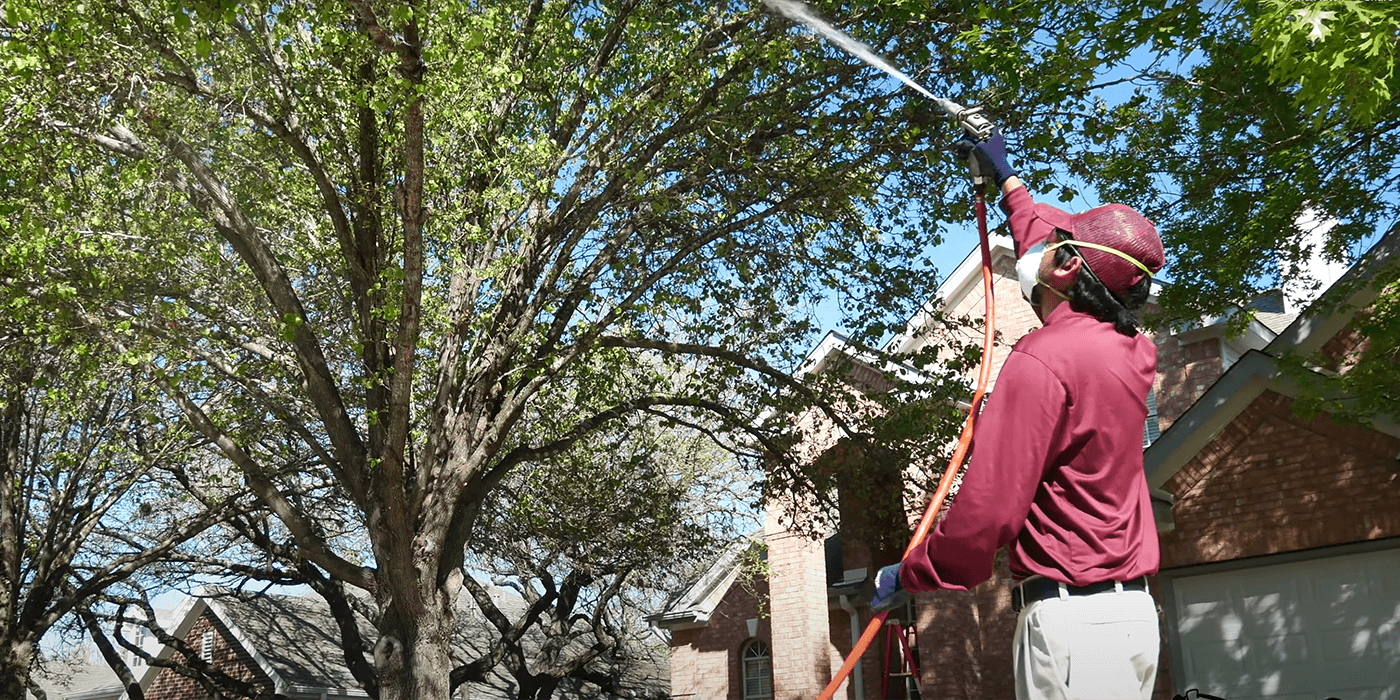
Cutting branches is a vital method in tree care that guarantees ideal growth and health, as it gets rid of sick or dead limbs and improves air circulation within the canopy. Applying correct practices ensures the trees can flourish where they are planted.
A key method is "thinning," which means taking off certain branches to enhance light penetration and decrease stress on weaker parts. 'Tip pruning' is one technique, where the ends of branches are snipped to promote bushier growth, mainly in juvenile trees. Furthermore, the process of 'crown reduction' decreases the size and reach of a tree while maintaining its natural shape.
Timing is essential; cutting during the inactive period reduces strain and promotes better wound closure. Pruning implements must be sharp and sterile to prevent injury and infection transfer. Grasping these critical pruning practices is vital for every arborist who seeks to keep healthy and visually appealing trees.
Recognizing Typical Tree Ailments
How can tree owners recognize the signs of common diseases that endanger their trees? Knowing the particular signs is critical for prompt identification and treatment. Common indicators include leaves that are yellowing or drooping, possibly indicating a fungus or insufficient nourishment. Strange developments, like cankers or galls, may indicate insects are present or pathogens that weaken the tree. In addition, peeling bark or oozing sap can be a sign of disease that demand quick action.
Tree owners should also observe alterations in the tree's form, like premature leaf shedding or dead branches, which could signify a more severe underlying issue. Looking out for insect attacks, such as holes in the bark or frass, is necessary too. Through vigilance and promptness, they can recognize these typical illnesses and seek appropriate remedies, making sure their trees stay strong and lively throughout the seasons.
Mulching's Importance for Tree Health
Mulching is a key technique in tree care, providing many advantages that promote healthy growth and hardiness. It means spreading a layer of inorganic or organic matter surrounding the trunk, helping to keep the soil damp, preventing weed growth, and stabilizing soil warmth. The mulch covering doesn't just limit rivalry from unwanted vegetation but also boosts the visual appeal of the yard.
In addition, natural mulching materials, for example, bark or chips, break down eventually, adding vital nutrients to the soil and improving its structure. This continuous action supports root development and creates a more robust setting for the growing tree. In addition, applying mulch helps stop the erosion of soil, which helps maintain the stability of the tree’s base. Appropriately spread mulch should be spread in a donut shape, making sure it doesn't touch with the trunk to avoid rotting. In conclusion, incorporating mulching into tree care routines significantly aids to the long-term health of trees.
Proper Watering Practices for Trees
Effective tree care requires not only mulching but also correct hydration methods to promote the best growth and health. Trees, especially those recently planted, require steady hydration to establish strong root systems. Deep watering is essential, as it promotes roots to descend where moisture is steadier. Preferably, trees ought to get approximately an inch of water per week, either via rain or supplemental irrigation.
Watering should be done at dawn to reduce evaporation and fungal diseases. It is important to avoid overwatering, which can lead to root rot and other issues. Check the ground for moisture before watering; if the top two inches are dry, it is time to provide water. Additionally, using a soaker hose or drip irrigation can provide a slow, steady supply of water, making sure trees get enough water without the danger of water runoff. Correct watering methods greatly contribute to the general well-being of trees.
Retaining Specialized Tree Care: The Timing and Rationale
When assessing the condition and aesthetics of a property, hiring professional tree services may prove essential for homeowners who need intricate tree upkeep. Trained arborists hold the expertise to determine tree vitality, spot illnesses, and apply successful remedies. They also understand local regulations concerning tree removal and maintenance, making sure they comply and avoiding potential fines
(Stillwater Tree Service)Property owners ought to hire experts when dealing with large trees, particularly those near structures or power lines, as incorrect care can lead to dangers. In addition, trees requiring pruning for aesthetic or health reasons gain from the abilities of trained specialists who can perform careful trimming to stimulate new growth
Seasonal tasks, such as preparing for storms and post-storm tidying, also warrant professional intervention to keep the property safe and appearance. Finally, engaging professional tree services guarantees that trees receive ideal care, contributing positively to the overall landscape and real estate worth
Questions and Answers
What Are the Signs if My Tree Is Receiving Too Much Water?
Overwatering often leads to chlorotic leaves, limpness though the soil is damp, rotting root systems, and significant defoliation. Additionally, the appearance of mushrooms around the base may indicate poor drainage and excess moisture.
When Should I Schedule for Tree Pruning?
The best time for tree pruning is usually between late winter and the start of spring prior to bud break - Stillwater Tree Service. Pruning at this time encourages healthy growth and reduces the tree's strain, enabling rapid wound closure and maturation
Do Trees Bounce Back After Significant Weather Events?

Absolutely, trees are capable of recovering from major storm damage. If maintained correctly, such as pruning damaged limbs and providing adequate water and nutrients, many trees can regain their health and keep growing strong following a stressful event.
What Should I Look For When Choosing the Right Mulch for My Trees?
In order to pick the best mulch, it is best to use organic options for example, bark nuggets or wood shavings, apply it to a depth of 2-4 inches, and never stack mulch against the base to safeguard against rot.
Do Certain Tree Species Need More Attention Than Others?
Some species, for instance, new plantings and orchard trees, demand more care owing to their vulnerability to weather fluctuations and unique feeding requirements. Regular monitoring and tailored maintenance practices are crucial for their well-being and growth.